

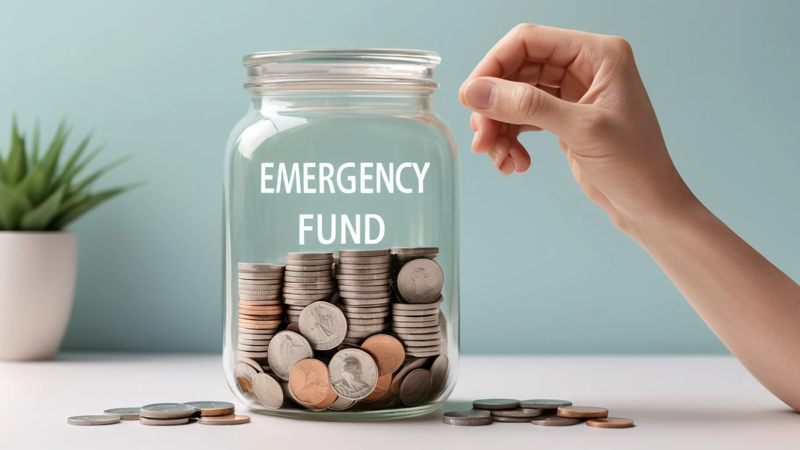
Emergency fund savings account strategy that helps you build security fast, reduce stress, and stay prepared for unexpected expenses.
An emergency fund savings account strategy helps you build a financial safety net for unexpected expenses. Start by saving 3–6 months of expenses in a high-yield account, automate contributions, and keep funds easily accessible but separate from daily spending to avoid unnecessary withdrawals.
Emergency Fund Savings Account Strategy 💰
Ever wondered what would happen if your income suddenly stopped tomorrow?
An emergency fund savings account strategy gives you peace of mind when life throws surprises your way. It ensures you can handle unexpected costs without debt. Think job loss, medical bills, or urgent home repairs.
The best strategy is simple: save consistently, store money in the right account, and protect it from everyday spending. Let’s break it down step by step so you can build your safety net with confidence.
What Is An Emergency Fund And Why It Matters 🚨
An emergency fund is money set aside for unexpected expenses. It acts as a financial cushion during tough times. Without it, many people rely on credit cards or loans.
This fund is not for vacations or shopping. It’s strictly for emergencies like medical bills, job loss, or urgent repairs. Keeping it separate helps you stay disciplined.
Having an emergency fund reduces stress. You sleep better knowing you’re prepared for the unknown. That’s why financial experts always recommend building one first.
Understanding The Search Intent Behind Emergency Fund Strategies 🔍
When people search for emergency fund strategies, they want clear guidance. They are looking for actionable steps, not theory.
Most readers want to know:
- How much to save
- Where to keep the money
- How to start quickly
Your goal is simple: build a practical, easy-to-follow plan. No confusion. No overwhelm.
How Much Should You Save In An Emergency Fund 💵
The general rule is to save 3 to 6 months of living expenses. This covers essentials like rent, food, and bills.
If your income is unstable, aim for 6 to 12 months. Freelancers and business owners need a larger cushion.
Here’s a quick breakdown:
| Monthly Expenses | 3-Month Fund | 6-Month Fund |
| $2,000 | $6,000 | $12,000 |
| $3,000 | $9,000 | $18,000 |
| $4,000 | $12,000 | $24,000 |
Start small if needed. Even $500 can make a big difference in an emergency.
Choosing The Right Savings Account For Your Fund 🏦
Not all accounts are created equal. The right account makes your money grow safely.
Look for these features:
- High interest rates (high-yield savings accounts)
- Easy access to funds
- No monthly fees
Avoid keeping your emergency fund in checking accounts. It’s too easy to spend from there.
A separate savings account creates a mental barrier. That’s key for long-term success.
High-Yield Savings Accounts Vs Regular Savings 📊
High-yield accounts offer better returns than traditional savings accounts. Over time, this adds up.
Here’s a simple comparison:
| Feature | Regular Savings | High-Yield Savings |
| Interest Rate | Low | Higher |
| Accessibility | Easy | Easy |
| Growth Potential | Minimal | Moderate |
Even though returns are not huge, every dollar counts. Your emergency fund should grow, not sit idle.
Step-By-Step Emergency Fund Strategy 🧭
Building your fund doesn’t have to be complicated. Follow these steps:
- Set a clear goal (e.g., $10,000)
- Track your monthly expenses
- Start saving weekly or monthly
- Automate your contributions
- Avoid touching the fund
Consistency matters more than speed. Small deposits add up over time.
Start Small And Build Momentum 🚀
Many people delay saving because they think they need a lot of money. That’s a mistake.
Start with:
- $10 per week
- $50 per paycheck
Small wins build confidence. Once you see progress, you’ll stay motivated.
Progress creates momentum. Momentum creates habits.
Automate Your Savings For Success 🤖
Automation is one of the easiest ways to grow your emergency fund.
Set up automatic transfers from your checking account. This removes the temptation to skip saving.
Benefits of automation:
- Builds consistency
- Reduces decision fatigue
- Makes saving effortless
Treat your savings like a bill you must pay.
Where To Keep Your Emergency Fund Safely 🔐
Safety is more important than high returns. Your money must be easily accessible.
Best options include:
- High-yield savings accounts
- Money market accounts
Avoid:
- Stocks (too risky)
- Long-term investments (not liquid)
Your emergency fund is not for investing. It’s for protection.
Common Mistakes To Avoid ❌
Many people make simple mistakes that slow their progress.
Avoid these:
- Mixing emergency funds with daily spending
- Investing emergency savings in risky assets
- Not replenishing after using it
Discipline is key. Treat your emergency fund as untouchable unless truly needed.
How To Rebuild Your Emergency Fund After Use 🔄
Using your emergency fund is okay—that’s its purpose. But rebuilding it is crucial.
Start by:
- Cutting non-essential expenses
- Increasing savings contributions
- Setting a short-term rebuilding goal
Think of it as resetting your financial safety net.
Budgeting Techniques To Grow Your Fund Faster 📈
Budgeting helps you find extra money to save.
Try these methods:
- 50/30/20 rule
- Zero-based budgeting
- Envelope system
Here’s a quick look:
| Method | Key Idea | Best For |
| 50/30/20 | Needs, wants, savings split | Beginners |
| Zero-Based | Every dollar assigned | Detailed planners |
| Envelope | Cash-based spending | Overspenders |
Choose one that fits your lifestyle.
Emergency Fund Vs Sinking Fund Explained 🧠
These two funds serve different purposes.
- Emergency fund: Unexpected expenses
- Sinking fund: Planned expenses (vacation, car repairs)
Using sinking funds reduces pressure on your emergency savings.
Keep both separate for better financial control.
How To Stay Motivated While Saving 💡
Saving money can feel slow at times. Motivation helps you stay on track.
Try these tips:
- Track your progress visually
- Celebrate small milestones 🎉
- Remind yourself why you started
“Every dollar saved is a step toward financial freedom.”
Adjusting Your Strategy As Income Changes 🔄
Your savings plan should evolve with your income.
When income increases:
- Boost your savings rate
- Increase your emergency fund target
When income decreases:
- Focus on maintaining consistency
- Cut unnecessary expenses
Flexibility keeps your strategy realistic and sustainable.
Emergency Fund Tips For Families 👨👩👧👦
Families need larger emergency funds due to higher expenses.
Consider:
- Medical costs
- Childcare expenses
- Insurance gaps
A larger cushion provides extra security for your loved ones.
Emergency Fund Tips For Singles 🧍
Singles may need less money but still require protection.
Focus on:
- Job stability
- Health coverage
- Rent and utilities
Even without dependents, emergencies can still hit hard.
How Long Does It Take To Build An Emergency Fund ⏳
It depends on your income and savings rate.
For example:
- Saving $500/month → $6,000 in 1 year
- Saving $1,000/month → $12,000 in 1 year
Consistency beats speed. Stay patient and committed.
Signs Your Emergency Fund Is Strong 💪
You know your fund is solid when:
- You have 3–6 months of expenses saved
- You don’t rely on credit for emergencies
- You feel financially secure
That peace of mind is priceless.
Conclusion 🎯
An effective emergency fund savings account strategy is simple but powerful. Save consistently, use the right account, and protect your funds from everyday spending. Start small, automate your savings, and stay disciplined.
Your future self will thank you for being prepared.
FAQs ❓
How To Start Emergency Fund With Low Income
Start by saving small amounts regularly. Even $5 or $10 helps build momentum. Focus on consistency over size.
Where Should I Keep Emergency Fund Money
Keep it in a high-yield savings account. It should be safe and easy to access. Avoid risky investments.
How Much Emergency Fund Do I Need Monthly
Aim for 3–6 months of essential expenses. Adjust based on income stability. More is better for uncertain jobs.
Can I Invest My Emergency Fund Money
No, emergency funds should not be invested. Investments carry risk and may lose value. Keep funds safe and liquid.
How Fast Should I Build Emergency Fund
Build it as quickly as possible without stress. Balance saving with living expenses. Consistency matters most.
Leave a Reply